
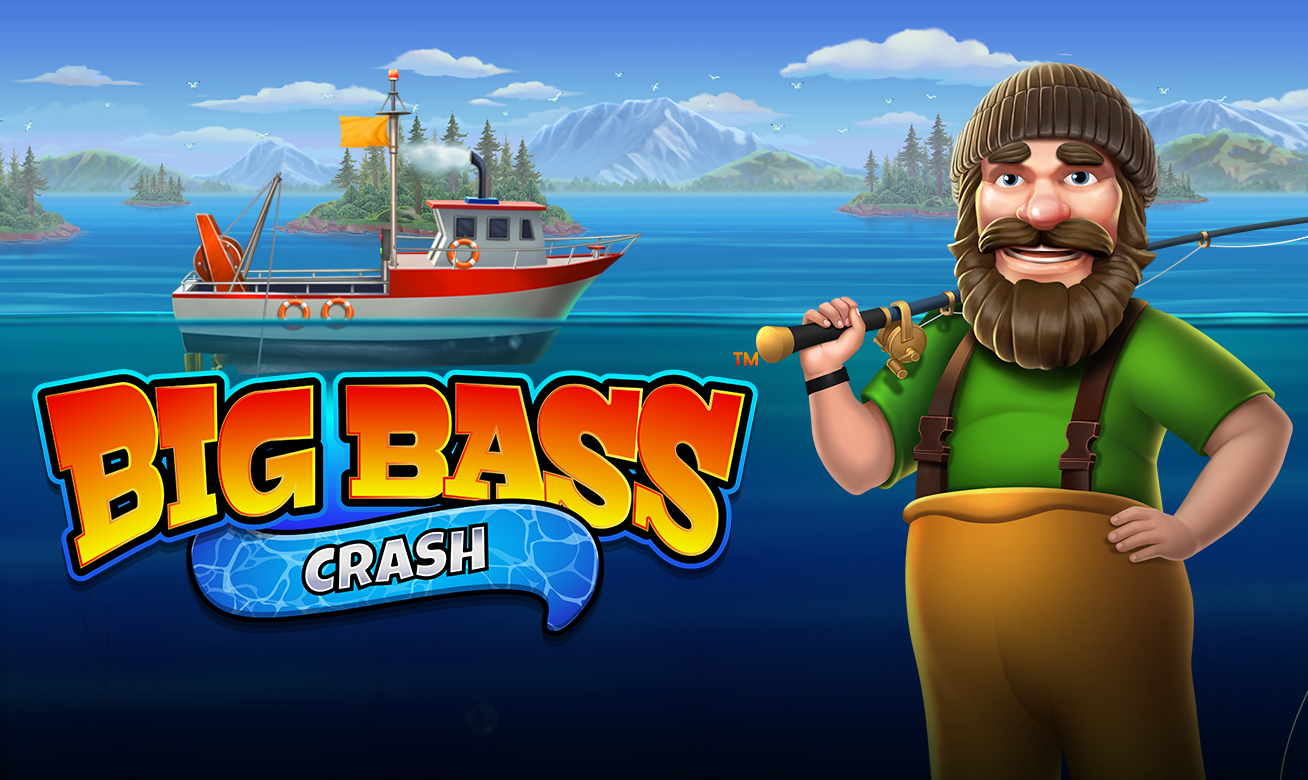
The fight for attention in digital gaming is fierce. Developers often lean on stunning visuals or relentless advertising. However a different pattern is emerging. True lasting success isn’t born from a gimmick. It comes from a simple idea: respect the player. People call this a “gamer-first” philosophy. It entails clear rules, equitable play, and letting the community guide a game’s growth, instead of pursuing fast profits. The UK industry, known for its savvy players and tight oversight, shows this perfectly. Take the Big Bass Crash release. Its rise isn’t a fluke. It’s an obvious lesson. When a game’s design aligns with what players truly value, it builds a dedicated following. This synergy is reshaping expectations. It demonstrates that in today’s online landscape, the most intelligent approach is to make the player the priority.
Decoding the “Player First” Mindset in Gaming
“Players First” is more than a slogan. It’s a blueprint that defines a product from the ground up. It affects how the game works, how the studio communicate with customers, and how it develops over time. The old model viewed players as customers. The new paradigm treats them as partners. This collaboration requires honest systems, not tricks that exploit on human nature. It needs transparent, upfront information on any money deposited. And it involves paying attention when customers give feedback. In places like the UK, with strong consumer laws, this mindset aligns well with both the law and the regional environment. For a product like Big Bass Crash, it’s about gaining trust through dependable structure. The thrill should come from the title itself, not from hidden odds or a nudge to keep spinning. The effect is a healthier ecosystem that serves everyone.
What makes the UK Market is Highly Open
The UK’s digital gambling sector is among the most mature and strictly controlled anywhere. This has created a gambling audience that is both properly shielded and extremely choosy. Years of regulatory changes have educated players about their entitlements and what fair, ethical design involves. They are quick to reject games that feel manipulative or are opaque. Big Bass Crash, with its unambiguous mechanics, emphasis on controlled choices, and seamless integration with player protection tools, integrates seamlessly with this landscape. It meets compliance requirements not as a administrative burden, but as a fundamental design goal. Its growing popularity demonstrates a market selecting a preference. Players are selecting a product that mirrors their values. They favor direct, enjoyable, and ethically crafted games over those that depend solely on showy tricks or compulsive patterns.
The Way Big Bass Crash Represents Core Player-Centric Values
Big Bass Crash converts its player-first rhetoric into action through targeted design decisions. The main game mechanic is a multiplier that ascends a curve until a random “crash” takes place. In appearance, it’s uncomplicated. Players understand the risk and reward immediately. There are no hidden mini-games or confusing bonus features to cloud the waters. This clarity is paramount. The game also avoids elaborate stories or complex leveling systems that might guilt players into longer sessions. Every round is a fresh opportunity. The player determines when to play and for how long. A clear, intuitive interface stays unobtrusive. The focus rests on that one strategic choice: when to cash early. This design honors the player’s intelligence. It offers a tool for fun, not a maze built to capture and hold attention.
The Simple Strategy That Gives Players Control

Big Bass Crash draws strength from a straightforward concept. This straightforwardness, curiously, results in serious involvement. Gamers don’t have to memorize intricate guidelines, symbol guides, or lengthy prize tables. The whole experience comes down to a one, critical decision: pressing the “Cash Out” button before the multiplier crashes. This keen focus puts control in the hands of the user. They individually are responsible for their selection, according to their own willingness to take chances. It produces a tangible suspense, a direct line between move and consequence. This sense of agency is central to the Player-Centric philosophy. By paring down the gameplay to only one clear, gamer-directed bet, the title respects the gamer’s autonomy and discernment. A win feels like a individual triumph. A setback feels like a known risk, not a bewildering error in the system.
Ethical Gaming Integration in Design
A true Player First philosophy must consistently support ethical play. Here, the entire structure of Big Bass Crash offers built-in safeguards. The game is built on brief, distinct rounds. This generates organic stopping points, unlike the continuous, automatic-pilot loops of some slot machines. Trustworthy UK platforms enhance this by including mandatory tools like deposit limits, session timers, and easy links to support services such as GamStop and GamCare. The game’s simple design also aids with self-monitoring. Because the main action is a one-time, considered cash-out decision, players might become more mindful of their expenditure compared to the fast, automatic play of different genres. This design illustrates that responsible play can be part of the game’s core, not just a sidelight in the terms.
Clarity and Equity as Non-Negotiable Pillars
UK users, influenced by strict regulations from the UK Gambling Commission, do not view transparency as a extra. They regard it as a right. Big Bass Crash satisfies this expectation head-on. The randomness of each crash is verifiable and safe. The product typically employs approved Random Number Generator (RNG) frameworks that endure regular reviews. It doesn’t claim to be a expertise game where it is not. Rather, it presents itself honestly as a game of chance with one distinct moment of tactics. This integrity fosters a standing. Gamblers can interact understanding the platform’s honesty is a concern, which is a bedrock of controlled play. The opposite method—a feeling that consequences are tampered or unclear—erodes confidence quickly. It’s a trap the product’s designers deliberately sidestep.
Creating a Network Around Collective Instances
The feeling of Big Bass Crash transcends a single player’s screen. It creates a Player First world by generating shared moments, which are key for a game’s lifespan. The format is social by nature. Multiple players ride the same climbing multiplier curve, feeling the collective buzz as the numbers rise. This naturally sparks conversation. People exchange tactics and rejoice or complain over a crash together. Online platforms and live streams boost this effect, turning a solo game into a group spectacle. Developers and the sites hosting the game often encourage this. They spotlight major wins and create space for players to interact. This community work changes the game. It ceases being just software and becomes a social spot. The value isn’t only in a potential payout, but in being part of a group’s exciting moment.
Detailed Review: Player First vs. Traditional Models
Pitting the Player First model with older game designs shows why it’s becoming popular. Many traditional games, big bass crash game, particularly in the online casino industry, use strategies designed to keep players hooked on the screen and spending incessantly, sometimes without their full knowledge.
- Complication vs. Clarity: Classic slot machines might include complicated bonus games and dozens of paylines that are hard to follow. Big Bass Crash presents one straightforward mechanic.
- Control: Games with auto-play and quick-spin options can make the player a passive observer. Big Bass Crash demands a hands-on, conscious selection for every single outcome.
- Openness: Some games conceal their Return to Player (RTP) percentages or display extreme volatility. The crash game model offers an immediately understandable, though unpredictable, risk curve.
- Togetherness: Plenty of games are lonely pursuits. The crash format naturally builds a communal, live experience.
The Next Era of Gaming: An Enduring Transition Focusing on the Player
The warm reception for Big Bass Crash’s philosophy in markets like the UK hints at a larger, permanent change for the field. As users get more savvy and authorities tighten rules, the business case for shady or greedy design weakens. The road ahead points toward games built for sustainable engagement, where reliability and enjoyment are the primary instruments for engaging players. We are likely to see more innovation in transparent mechanics, improved social and community features, and even better incorporation of safe gaming features within the game itself. Games that adopt the Player First framework, prioritizing long-term community over immediate profit, are ready to define this coming era. They show a fundamental truth. The most effective way to create a thriving game is to genuinely respect the intellect, autonomy, and interests of the user holding the device.